

tabela brasileirão série a: Sports Betting in Brazil in 2026
The Brasileirão takes on another dimension when the schedule, results, and team context are brought together. This page offers an editorial overview of the Brasileirão Série A table, upcoming fixtures, and the factors that help explain each round: recent form, home advantage, rest between matches, and general squad news. The goal is to make it easier to follow football, not to replace the broadcast or predict results.
In 2026, always check the local time shown in the match details and confirm for updates close to kickoff. Dates may change due to organizational decisions, continental commitments, or broadcast adjustments. To follow the overall picture in one place, visit tabelabrasileiraoseriea.site and use the data as a starting point for informed and responsible observation.


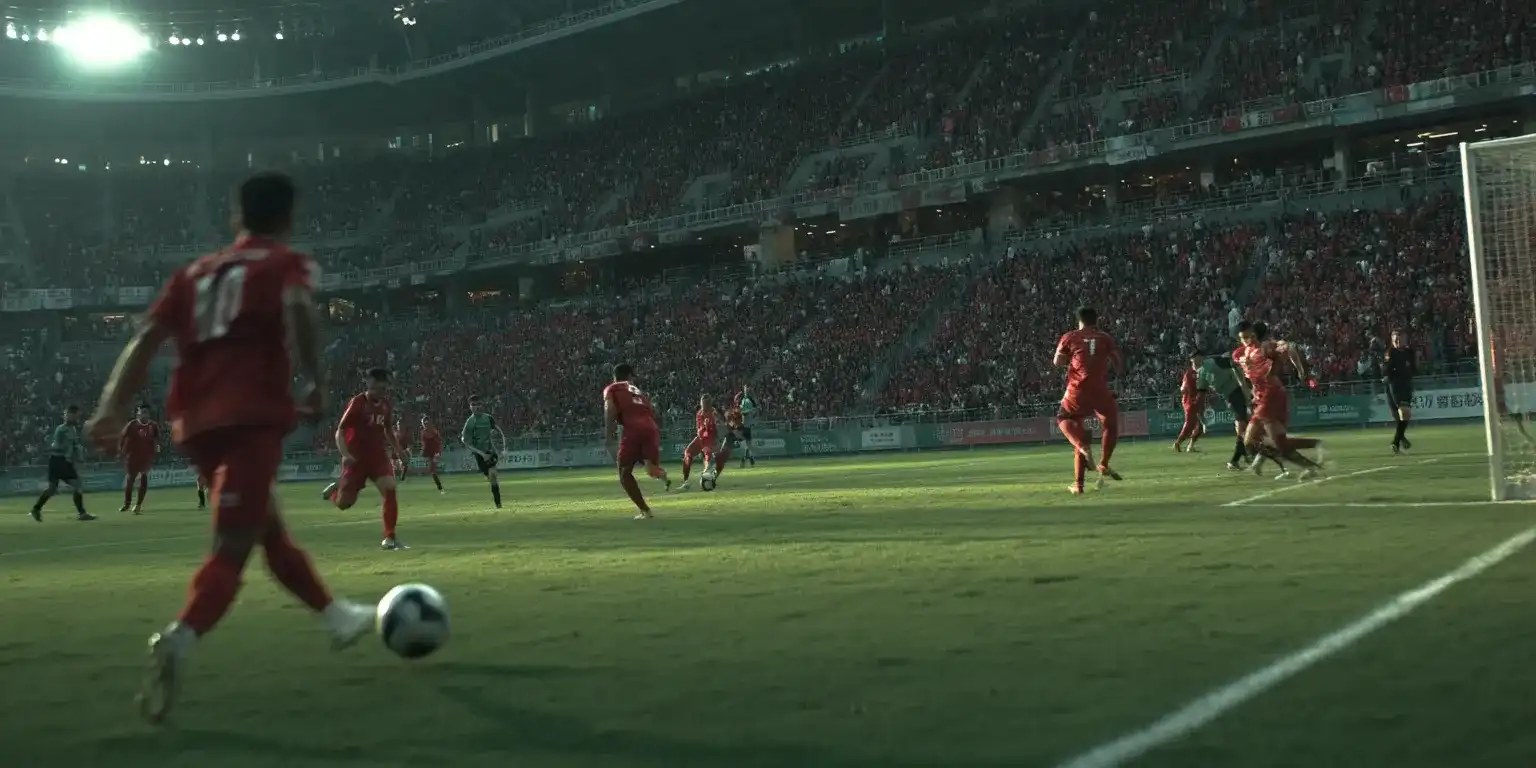
This Week's Fixtures
Read pairings as questions: who needs points, who is travelling, who has a short turnaround. The table will not answer them — it only shows when the argument starts.
How to interpret the Série A schedule
A useful sports schedule starts with the round, but it doesn't end there. Check the date, time, and scheduled stadium; then see whether the team is playing at home or away and how many days it had to prepare. The sequence can affect the pace: a club coming off a continental fixture, for example, may manage players' minutes, while another may arrive after a full week of training. This is context, not a guaranteed prediction of what will happen on the pitch.
On the matches page, a future fixture should be understood as a schedule subject to confirmation. Changes to the time, venue, or broadcast may occur for operational reasons. So, before planning your viewing session, check the schedule for updates and look for competition announcements. If you're just starting out, it's worth following one round at a time: identify the matchups, locate the clubs in the standings, and only then compare recent form.
The schedule also helps identify periods of greater demands. Sequences involving long trips, closely spaced derbies, or cup matches can affect rest and squad planning. You don't need to know every tactical detail to make sense of the bigger picture: note the matches that interest you, check the lineups when they're announced, and observe how each coach responds to the situation. Pre-match information is most valuable when it distinguishes confirmed facts from possibilities.
For daily updates, combine the Série A schedule with team news and coverage of parallel competitions. The same club may have different priorities depending on the stage of the season, squad availability, and the time between matches. A chronological view helps avoid confusing games already played with upcoming fixtures and makes it easier to review a campaign's progress without relying on memory or isolated social media comments.
Quick checklist before the match
- Confirm the date, local time, and listed stadium.
- Check whether the match is part of the Brasileirão or another competition.
- Compare rest and recent form without treating a trend as certain.
- Look for official announcements about the squad and schedule changes.
- Return to the score after the final whistle to check the confirmed result.
The live scores service can complement your schedule check during the round.
Results, standings, and form: what the numbers tell us
A single result describes one match; a sequence provides context. When following the Brasileirão, look at points earned, wins, draws, losses, goals scored, and goals conceded, always taking the number of matches played into account. A team's position in the table matters, but it doesn't explain performance on its own. Two nearby teams may have different schedules, and an incomplete round can leave the standings provisional until all outstanding fixtures have been played.
When reading the tabela brasileirão série a, the safest approach is to start with the competition's official ranking criteria and the latest round updates. Then compare the overall record with performance at home and away. The difference between these scenarios may reveal consistency, difficulty controlling matches away from home, or a favorable run at one's own stadium. Avoid turning a small number of games into a rule: a short sample can fluctuate and should be considered alongside the opponents faced, absences, and schedule context.
Recent form is often presented as a series of results from the last few matches. It helps identify trends, but should not be mistaken for a guarantee that they will continue. A team may create chances without converting them, concede goals at particular moments, or change its lineup due to fatigue. For those following more closely, it's also worth looking at how goals are distributed, defensive stability, and the ability to respond after falling behind. For beginners, one simple question works: has the team improved, maintained its level, or gone through an inconsistent spell?
Data needs a reference date. Standings checked before a round is complete may not reflect postponed matches, penalties, or official updates. When a number is identified as an example, treat it only as an illustration of how to read the data, never as a real figure. This content does not publish made-up scores: results should be checked after the match has been validated. The same care applies to top scorers, cards, and individual statistics, which may be corrected by the responsible sources.
Finally, use metrics to ask better questions, not to reduce football to a single column. Possession does not automatically measure effective dominance; shots alone do not reveal the quality of chances; and a position in the standings does not sum up a team's work. Following trends with curiosity, comparing equivalent samples, and recognizing the limitations of data leads to a more balanced view of the season.

Reading data without shortcuts
Consider the number of matches, home advantage, and update date before comparing clubs. If the table is incomplete, look for an indication of outstanding matches. The standings organize the competition; records and statistics help explain different paths, but they don't determine the next result.
Follow footballA viewing guide for watching matches
Watching attentively can be simple and enjoyable. Before kickoff, check the official lineups when available and identify any significant changes from the previous match. Injuries and suspensions are dynamic information: preliminary news may be updated, and a player's availability should only be treated as confirmed when reliably announced. Rather than speculating about diagnoses, follow only what the clubs and organizers communicate publicly.
During the match, observe how the teams occupy the pitch, press the buildup, and use the flanks. Notice whether the home team tries to speed things up from the opening minutes or prefers to control possession; on the other side, see how the visitors respond to the pressure. These clues make the broadcast more engaging even for those unfamiliar with tactical terms. A change in formation, a substitution, or a shift in tempo may explain why the game starts unfolding differently.
After the final whistle, separate impressions from the record. The memory of a memorable moment can influence your assessment, but the match summary helps reconstruct the sequence of events. Check the confirmed result, the goalscorers where applicable, and the main figures published by the competition. If the score is still subject to review, wait for an update. A responsible recap doesn't exaggerate a performance or turn one isolated mistake into a definitive assessment of an entire season.
Following the game can also include rivalries and parallel tournaments. Derbies attract attention because of their history, but each edition has its own lineups, form, and circumstances. In cup competitions, the logic of knockout matchups differs from the marathon of a points-based league. Consider the format before interpreting the strategy: managing a lead over two legs is not the same as seeking consistency over many rounds. The full schedule provides this context.
To maintain a healthy routine, choose times that work with your rest, work, and personal commitments. Take breaks during long broadcasts, avoid following updates while driving, and don't let sports competition harm your relationships or well-being. Football is entertainment and shared culture; following it in moderation makes the experience better, whatever the result. If the excitement becomes overwhelming, step away from the screen and catch up on coverage later.
Competitions and matchups worth watching
The recommendations below highlight real tournaments followed by Brazilian fans. The 2026 schedule should be confirmed against the updated calendar; the text points out aspects to watch, not future results.

Campeonato Brasileiro Série A
The battle for consistency runs throughout the season, with important points at home and away. Follow recent form, outstanding fixtures, and changes in position after each round, always checking the official standings for updates.
View coverage
Copa do Brasil
The knockout format creates high-pressure matchups and calls for attention to the rules of each stage. Check dates, venues, and the status of the ties; strategic changes may reflect the context of the match and the need to advance.
View coverage
Copa Libertadores
Brazilian clubs face travel, varied styles, and stages with different formats. Consider the continental calendar alongside the domestic one, as the gap between fixtures can influence squad choices and intensity.
View coverage
Copa Sul-Americana
The competition features campaigns with their own trajectories and matchups between teams from different countries. Follow the stage, home advantage, and run of fixtures without comparing teams out of context or treating a short-term trend as a conclusion.
View coverage
Premier League
The fast pace and variety of styles make the English league a useful reference for following form and the schedule. Check confirmed fixtures, general squad news, and how the standings develop throughout the season.
View coverage
Champions League
The continental tournament combines league and knockout stages according to the current regulations. Check the stage format, qualification criteria, and official schedule before comparing campaigns by clubs from different countries.
View coverageHow to keep data reliable
A results page should clearly indicate whether a match is scheduled, in progress, or finished. Times may be shown in local time, so check the displayed reference before interpreting the schedule. For completed matches, prefer the validated score and check whether it was updated later. Statistics for cards, shots, and possession can also vary between providers, especially when corrected after a match review.
In the standings, check matches played and the official tiebreaking criteria. A club with a game in hand may move up or down once it completes its schedule, so a temporary position should not be treated as final. The phrase tabela do brasileirão série a can refer to either the standings or a round lookup; identify which information you are viewing to avoid confusion.
Update notes
- Schedule subject to official changes.
- Results displayed only after confirmation.
- Season data needs a reference date.
- Lineups and squad information may change up until kickoff.
For convenient browsing on mobile devices, search for tabela brasileirão série a sports app and prioritize sources that identify the date and competition.
Frequently asked questions about the schedule and standings
How do I find upcoming Brasileirão matches?
Go to the matches section and find the round or team you want. Check the date, time, stadium, and home-team designation, bearing in mind that the schedule may be subject to official changes. Before planning to watch, refresh the page and check for recent announcements. Postponed or unconfirmed matches should be treated as pending, not as definitively scheduled fixtures.
What does a provisional position in the standings mean?
It represents the standings calculated using the data available at that time. If there are outstanding matches, the order may change once the clubs complete their fixtures. Read it alongside the total number of matches played and the competition’s official criteria. A provisional position is useful for following trends, but it does not replace the final standings for the round or the